
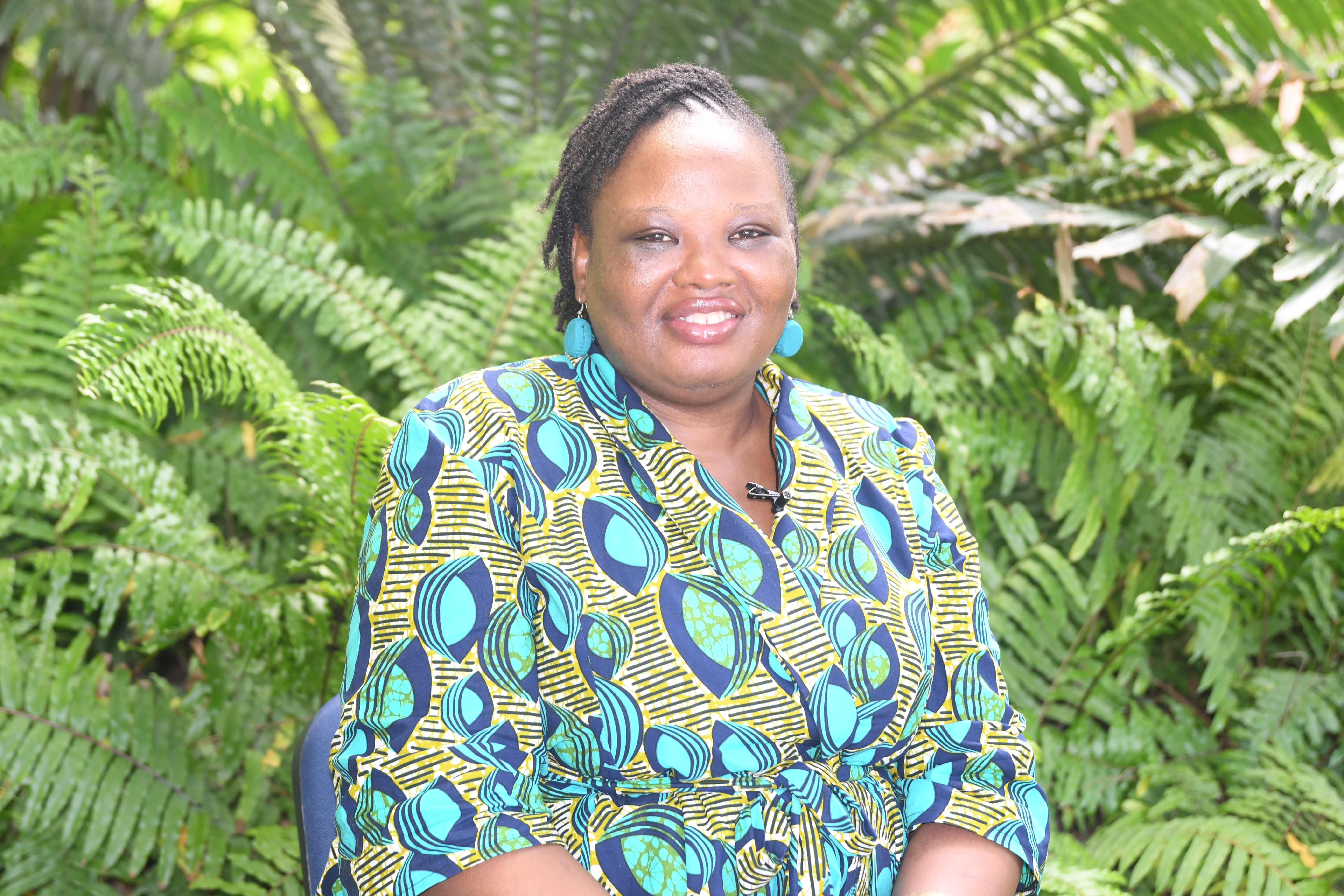
Prof. Melissa Kapulu
Principal Investigator
Collaborations..
Videos
Bio
I am a trained immunologist and vaccinologist having undertaken DPhil on malaria transmission-blocking vaccines at the University of Oxford. Following on from this, I served as a post-doc with Kevin Marsh and Philip Bejon at the KEMRI-Wellcome Trust Research Programme in Kilifi working on assessing the infectious reservoir of malaria. From 2015, portfolio of work expanded to setting up currently the largest single-site falciparum controlled human malaria infection study in 161 volunteers leading a diverse team in Kenya in collaboration with key partners in this field.
See moreCurrent Work
Human infection studies – Leveraging human infection models to establish and adapt new models, understand naturally acquired immunity, identify vaccine candidates, and evaluate efficacy of interventions. Work centres around better understanding naturally acquired immunity for the design, development and testing of vaccines currently for the infectious diseases for malaria and Shigella. This involves developing and/or establishing tools and models to identify, characterise, understand, and evaluate vaccines, particularly the controlled human infection models, in disease endemic populations. We have established the controlled human malaria infection platform in Kilifi Kenya and furthermore, an enteric, Shigella, human infection model will be established and an establishment of an induced blood-stage malaria infection model within the same setting. Thus, the programme of work focuses on addressing the following broad aims:
- Interrogating immunity (vaccine-induced and naturally acquired) to malaria (utilising CHMI vaccine efficacy model; CHMI transmission model, malaria surveillance cohort, previous cross-sectional and longitudinal cohorts (AFIRM and LAMB cohorts) and Shigella (utilising Shigella HIS and archived samples from Biobank) – protein production, microarray, mass spectrometry and cytometry, systems serology, RNA sequencing
- Understanding role of microbiome influence in host immunity (utilising Shigella HIS and archived samples from Biobank) – NGS Identification of molecular markers of malaria transmission – RNA sequencing (transcriptomics), cDNA microarray, and mosquito feeding assays Utilisation of a structure-aided approach to vaccine design for malaria transmission and Shigella – cell sorting, BCR sequencing, and monoclonal antibody production
See more
Recent publications
Protein-specific immune response elicited by the Shigella sonnei 1790GAHB GMMA-based candidate vaccine in adults with varying exposure to Shigella.
Randall, A. Z.
Conti, V.
Nakakana, U.
Liang, X.
Teng, A. A.
Di Pasquale, A. L.
Kapulu, M.
Frenck, R., Jr.
Launay, O.
Ferruzzi, P.
Scire, A. S.
Marchetti, E.
Obiero, C.
Pablo, J. V.
Edgar, J.
Bejon, P.
Shandling, A. D.
Campo, J. J.
Yee, A.
Martin, L. B.
Podda, A.
Micoli, F.
mSphere, (2025). 10:e0105724
Reversible host cell surface remodelling limits immune recognition and maximizes survival of Plasmodium falciparum gametocytes.
Ngotho, P.
Dantzler Press, K.
Peedell, M.
Muasya, W.
Omondi, B. R.
Otoboh, S. E.
Gomez, J.
Coronado, L.
Seydel, K. B.
Kapulu, M.
Laufer, M.
Taylor, T.
Bousema, T.
Marti, M.
PLoS Pathog, (2025). 21:e1013110
R21/Matrix-M malaria vaccine drives diverse immune responses in pre-exposed adults: insights from a phase IIb controlled human malaria infection trial.
Kibwana, E.
Bundi, C.
Kimani, D.
Nyamako, L.
Keter, K.
Mutiso, A.
Ogwang, R.
Bellamy, D.
Rapi, K.
Bajer, A.
Provstgaard-Morys, S.
Stockdale, L.
Munoz, O.
Datoo, M. S.
Lawrie, A.
Ramos-Lopez, F.
Roberts, R.
Hamaluba, M.
Hill, A. V. S.
Bejon, P.
Ewer, K. J.
Kapulu, M.
Front Immunol, (2025). 16:1620365
Reversible host cell surface remodelling limits immune recognition and maximizes transmission of Plasmodium falciparum gametocytes.
Ngotho, P.
Press, K. D.
Peedell, M.
Muasya, W.
Omondi, B. R.
Otoboh, S. E.
Seydel, K. B.
Kapulu, M.
Laufer, M.
Taylor, T.
Bousema, T.
Marti, M.
bioRxiv, (2024). :
Controlled Human Malaria Infection Studies in Africa-Past, Present, and Future.
Kibwana, E.
Kapulu, M.
Bejon, P.
Curr Top Microbiol Immunol, (2024). 445:337-365